
Orlando International Airport opens Terminal C gate wing to increase operational capacity
By Jed Nykolle Harme
July 07, 2026
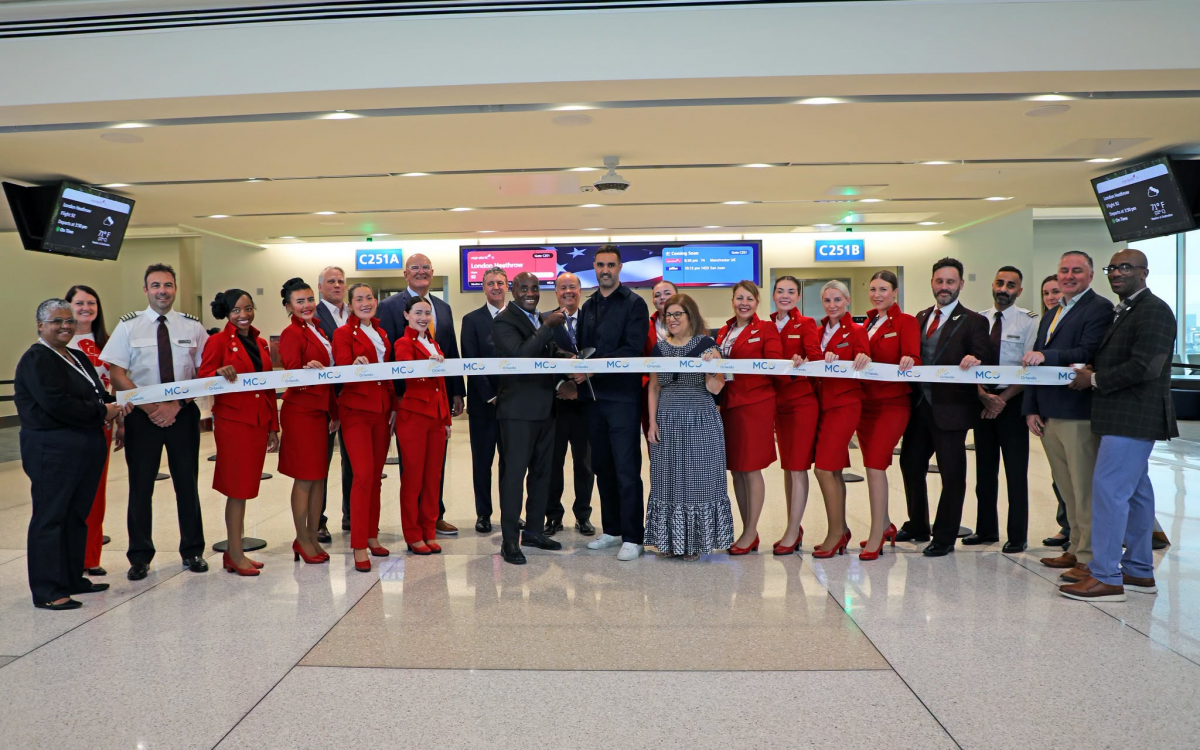
Photo Credits: Orlando International Airport (MCO)
Orlando International Airport has opened a new gate wing at Terminal C, expanding capacity and improving passenger flow as it prepares for major infrastructure upgrades across the wider campus, as reported by Future Travel Experience.
The new gates are designed as Multiple Aircraft Ramp System (MARS) gates, consistent with the existing Terminal C configuration, allowing each gate to accommodate up to eight narrow-body aircraft positions or four wide-body aircraft. The gates are equipped with common use technology enabling flexible operations by multiple airlines across both domestic and international services.
Virgin Atlantic has relocated from Terminal A to Terminal C to coincide with the opening of the new wing, giving the airline a permanent home in the airport's newest terminal while supporting more efficient international arrivals and departures.
Lance Lyttle, CEO of the Greater Orlando Aviation Authority, said: "This new wing is an important step in our vision to deliver the very best experience for every guest who travels through Orlando International Airport. By expanding Terminal C and welcoming Virgin Atlantic to its new home, we are adding capacity, improving flexibility, and creating a more balanced flow of passengers across all terminals."
The expansion increases Terminal C's capacity to support 10 to 12 million passengers annually, while reducing pressure on Terminals A and B. With nearly 58 million passengers travelling through the airport in 2025, the additional capacity is expected to improve throughput at checkpoints, concessions, baggage claim, and other high-traffic areas.
The gate wing opening also sets the conditions for planned renovations to Terminals A and B, which include updated and expanded restrooms across all four airsides and refreshed interiors at Airsides 1 and 3 with new finishes and lighting.
The MARS gate design reflects a deliberate operational flexibility strategy, allowing the airport to reconfigure capacity allocation between narrow-body and wide-body aircraft without physical infrastructure changes, a model that reduces long-term capital exposure while preserving the ability to respond to airline fleet and route mix changes over time.